Few newest articles for you to read.
Paddon and his future:
WRC – Hayden Paddon has delivered podiums in 50% of his starts in 2026, but his WRC future is unclear

dirtfish.com
Fourmaux and his future:
WRC – Adrien Fourmaux is more than good enough for a top class WRC drive, but will he secure one?
dirtfish.com
Saudi decision (again) delayed:
Where and when will the final round of the 2026 WRC season take place?

rallyjournal.com
As Autosport have most articles behind paywall I will paste it here, so everyone can see it.
How the FIA plans to support and invest in grassroots rallying
The World Rally Championship and grassroots rallying are set for an injection of funding from the FIA
Tom Howard
Published: 8 Sept 2026, 15:05
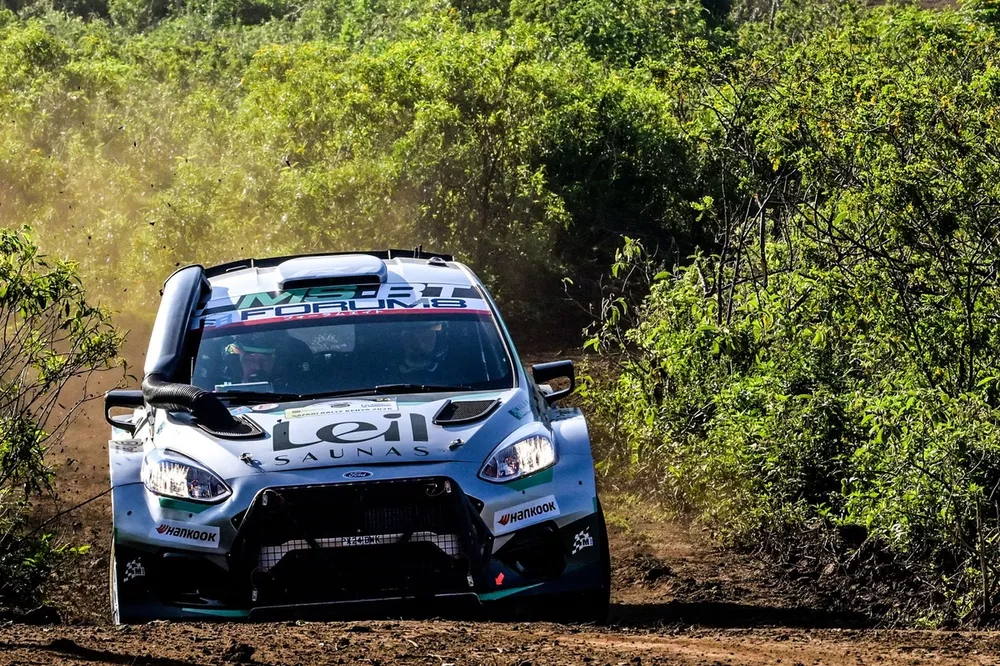
Romet Jurgenson, Siim Oja, M-Sport Ford World Rally Team Ford Fiesta Mk II
Photo by: M-Sport
Talent finding initiatives such as FIA Rally Star could be set for a revival as part of the FIA’s plan to inject funding back into the World Rally Championship and grassroots rallying.
Last year, FIA president Mohammed Ben Sulayem promised that funds generated by the sale of the WRC’s commercial rights will be directly invested back into rallying.
That plan is set to come into force now French automotive company Cosmobilis and private credit investor Park Square Capital have acquired WRC Promoter GmbH, and with it, secured a new commercial rights contract with the FIA. The arrival of a new promoter has been labelled by the FIA as the “deal of the century” for the WRC.
“There is no other deal with the FIA which is as good as this. The rest of the deals that [came] before me were raw deals. I would say it very frankly, what did we get from Formula 1? Do you know how much [for] the FIA? Zero and no power,’ said Ben Sulayem earlier this month.
“This doesn’t work anymore. So we improved it. We improved the Formula E [agreement]. But rallying is so important. It’s not about the money. It’s about working together with the promoter as one body, injecting [funding] back into the sport, making it much better with all of the challenges, listening to the teams, listening to the driver, listening to the fans, and listening to the media.”
As well as directly funding areas of the WRC, the FIA has now established the new FIA Growth Fund that will support projects aimed to encourage young drivers to embark on careers in rallying.
Speaking to Autosport, Ben Sulayem expanded on how the FIA Growth Fund can benefit rallying.
“FIA has always been injecting grants, and grants before were limited because we didn't have enough funds to put back," he said. "When we say what the fund would look, it won't be just going and giving people the money. It's about encouraging young drivers to enter rallying and encouraging them.
"But the fund, rest assured, will be injected. There are two sides to it also, there is [funding] into the championship itself. The championship needs an injection.
"Is it about the money? No. It's about having the right promoter. The promoter that will understand us. The promoter will go hand in hand with us. And this is what I think, you already notice the harmony with them. It's obvious with the body language.
"So, going back to the fund, it is there. The fund will be described, and you will get notified of it because we are in the process now of where the fund would go.”
One initiative that could be set for a return is the FIA Rally Star Programme. The world motorsport governing body put aside significant funding for a four-year programme that began in 2021, which was designed to find a future WRC champion.
The programme was open to drivers aged 17-26 with more than 7,000 applicants applying for six spots on the programme. The initiative ultimately offered prized drives in Junior WRC and WRC2.
Two of the FIA Rally Star drivers have made rapid progress within the WRC, with
Romet Jurgenson winning the 2024 Junior WRC title before going on to compete in WRC2 with M-Sport-Ford. Another graduate, Taylor Gill, finished runner-up in the Junior WRC last year and has since enjoyed success in WRC2 this season.
When asked if FIA Rally Star could return in the future, Ben Sulayem added: "Oh yes [it can return], but in a new version because we need new stars. It was good, but it needs a bit of tweaking. It needs a bit of a different version, an improved version of it.”
What WRC’s new promoter wants from its events
The World Rally Championship’s new commercial rights holder has outlined its vision for the length of events moving forward
Tom Howard
Published: 7 Sept 2026, 12:53
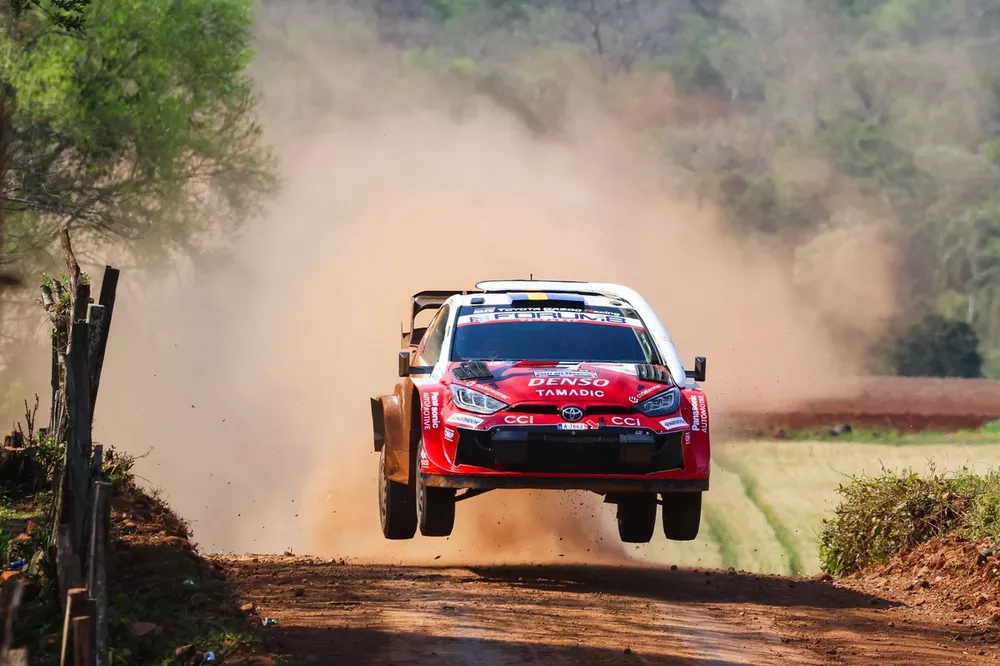
Oliver Solberg, Elliott Edmondson, Toyota Gazoo Racing WRT Toyota GR Yaris Rally1
Autosport Business
Covering industry news and insight into the business of motorsport
Rallying’s top tier is under new ownership with French automotive company Cosmobilis and private credit investor Park Square Capital acquiring WRC Promoter GmbH, in a move that has been described as the “biggest deal in the history of these championships” by the FIA.
At Rally Paraguay, the WRC Promoter’s new CEO Eric Boullier offered an insight into the championship’s future, revealing plans to take the WRC and ERC to the next level by improving fan access, media coverage and the championship’s commercial appeal.
Boullier teased plans regarding the format of events moving forward, but when speaking to Autosport he confirmed that there are no plans to drastically shorten rallies in the near future.
The former McLaren Formula 1 boss has, however, highlighted that a one stage Super Sunday, featuring two passes, which was run in Estonia and Finland, is a concept that it wishes to pursue in the future as a way to endear the WRC to a new audience. There is also a plan for free access to events for fans where possible.
Currently, the majority of WRC events predominately run across four days while Rally Estonia trialled a 48-hour concept this year.
“I am a motorsport fan, but not used to rally. One of the concepts of rallying is we have many stages every day. If you do that, it's impossible to broadcast properly or get the emotions out of the racing,” Boullier told Autosport.
“Finland and Estonia are doing one stage on Sunday [repeated], which is much easier to manage. If I want to use buses to bring the non-hardcore fans to see the cars, it's much easier as well. So then, suddenly, you can interact with your fans in a different manner."
When specifically asked if there were plans to shorten rallies, he added: “No [rallies won’t be shorter]. But we have to consider the calendar. We have to consider the costs. We have to consider sustainability.
"As we all know, we have worked on this, and this year we did it [48-hour format] with Estonia on a three-day rally. It worked very well and actually, the teams were happy because they saved time and money. I'm not sure we can apply this to every rally because every rally is unique. This is the uniqueness of WRC.
“We go to Kenya, we go to Sweden on snow. We have gravel, we have tarmac, we have high speed in Finland and we have slow speed in Japan. We want to keep this uniqueness. But some rallies will be four days, some rallies three days.”
It is hoped that WRC will finalise its 2027 calendar within the next two months. The schedule is likely to feature three new events, with Scotland, USA and Rome completing candidate events this year.